


jjl4 app | Exploring Strategy Games in the Digital Age
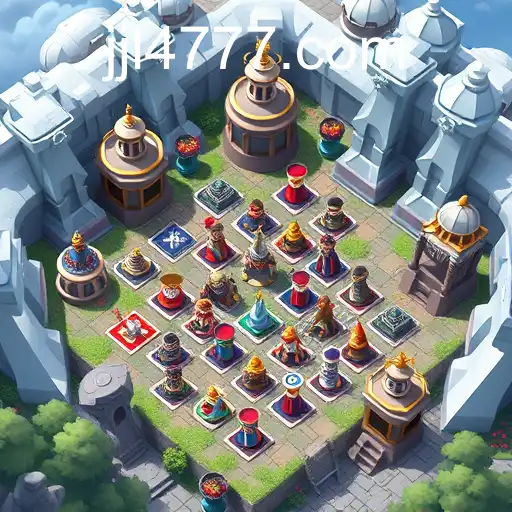
The realm of strategy games has long been a captivating sector in the vast world of gaming. From the early days of chess and tabletop war games to the modern digital era, strategy games have evolved significantly, offering fans intricate systems and immersive experiences. As gaming technology advances, the genre continues to adapt, catering to both veterans of the form and newcomers drawn to its strategic allure.
With the advent of digital platforms, strategy games have embraced features that were previously impossible. Real-time strategy (RTS) games like StarCraft brought competitive, fast-paced decision-making to the forefront. Meanwhile, turn-based strategy games such as Civilization allowed for deep, methodical gameplay sessions that could last for hours or days.
A recent development in the strategy gaming sector is the integration of mobile technologies and apps, making it accessible for enthusiasts to enjoy these games on-the-go. Platforms hosting categories like 'Strategy Games' now provide opportunities for players to engage with new forms of strategy through apps like 'jjl4 app', which harness the power of portable devices without compromising on the complexity and depth that strategy games are known for.
The appeal of strategy games lies in their ability to test the player's skills in planning, resource management, and foresight. These games often require players to think several steps ahead, foresee potential challenges, and adapt their strategies accordingly. This intellectual stimulation is one of the main reasons why strategy games have maintained their popularity across generations.
In conclusion, the strategy games genre has not only sustained its presence amid changing technology but has thrived, due in large part to the flexibility and innovation within the industry. As more players seek mentally engaging entertainment, the demand for sophisticated strategy games continues to grow, ensuring their relevance in the ever-evolving gaming landscape.
